Moving to Moreno Valley can feel like a smart way to gain space and value without losing access to jobs and everyday essentials. If you are weighing commute times, neighborhood options, and the local lifestyle, you are not alone. This guide gives you a clear picture of daily life, getting around, and the community vibe so you can decide with confidence. Let’s dive in.
Moreno Valley at a glance
Moreno Valley is a mid-sized Inland Empire city just east of Riverside with about 208,000 residents, according to the 2020 count. You will find a diverse community, a mix of family households and commuters, and steady residential and logistics development. Summers run hot and dry, while winters are mild, and many neighborhoods enjoy hillside views toward Box Springs and the Perris Basin. For a quick data snapshot, review the latest figures on the U.S. Census QuickFacts page for the city.
- Population context: U.S. Census QuickFacts
- City services, parks, and programs: City of Moreno Valley
Daily life and amenities
Parks and outdoor recreation
If you love the outdoors, you will have easy access to several regional spots. Lake Perris State Recreation Area is about a 10 to 25 minute drive, depending on where you live, and offers boating, camping, fishing, and trails. Box Springs Mountain Reserve brings local hiking and wide views. The March Field Air Museum, near March Air Reserve Base, is a popular aviation museum and a go-to weekend stop for many families.
The city’s park system includes neighborhood parks, sports fields, and community centers that host youth leagues and seasonal events. To browse programs or find facilities near you, start with the City of Moreno Valley. You can also explore state park options through California State Parks when planning a Lake Perris day trip.
Shopping and dining
Daily errands are simple with major retail clusters in and around Moreno Valley Mall and along Alessandro Boulevard and the SR-60 corridor. You will find national big-box stores, chain restaurants, and grocery-anchored neighborhood centers throughout the city. Dining reflects local diversity, including Mexican, Salvadoran, Filipino, and broader Southern California fast-casual options, plus family sit-down spots. For specialty grocers and niche eateries, you may look to larger neighboring hubs in Riverside or elsewhere in the Inland Empire.
Schools and libraries
Moreno Valley Unified School District serves most K–12 students in the city and offers comprehensive high schools, middle and elementary schools, and a range of specialized programs. If you are comparing programs or boundaries, review the district site and contact schools directly for the latest details.
- K–12 programs and schools: Moreno Valley Unified School District
For higher education, Moreno Valley College, part of the Riverside Community College District, provides two-year degrees, vocational training, and transfer pathways. The University of California, Riverside is about 20 to 30 minutes west, depending on traffic.
- Community college programs: Moreno Valley College
The Moreno Valley Public Library system and city community centers add study space, events, and family programming throughout the year.
Healthcare access
You can find local clinics, urgent care, and community medical centers in the city. For major hospital services and specialized care, many residents travel to nearby Riverside or San Bernardino. If healthcare access is a priority for you, consider your proximity to your preferred providers when choosing a neighborhood.
Housing and neighborhoods
Home types and feel
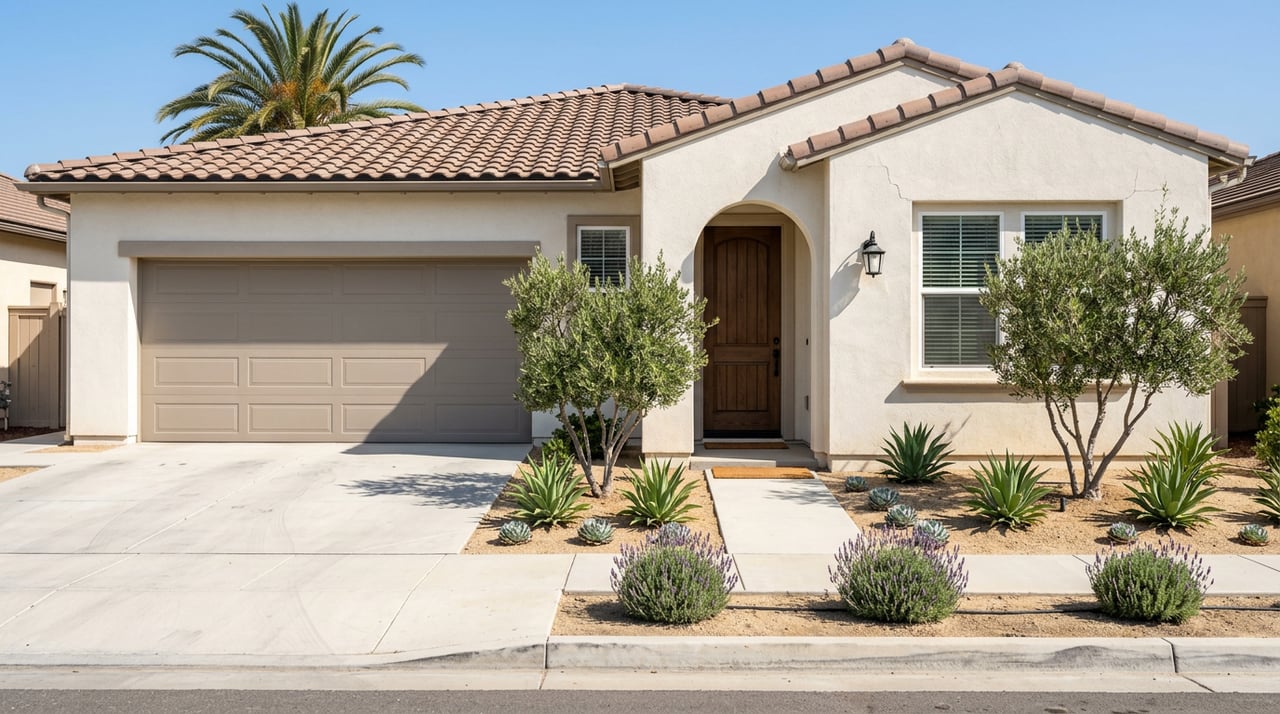
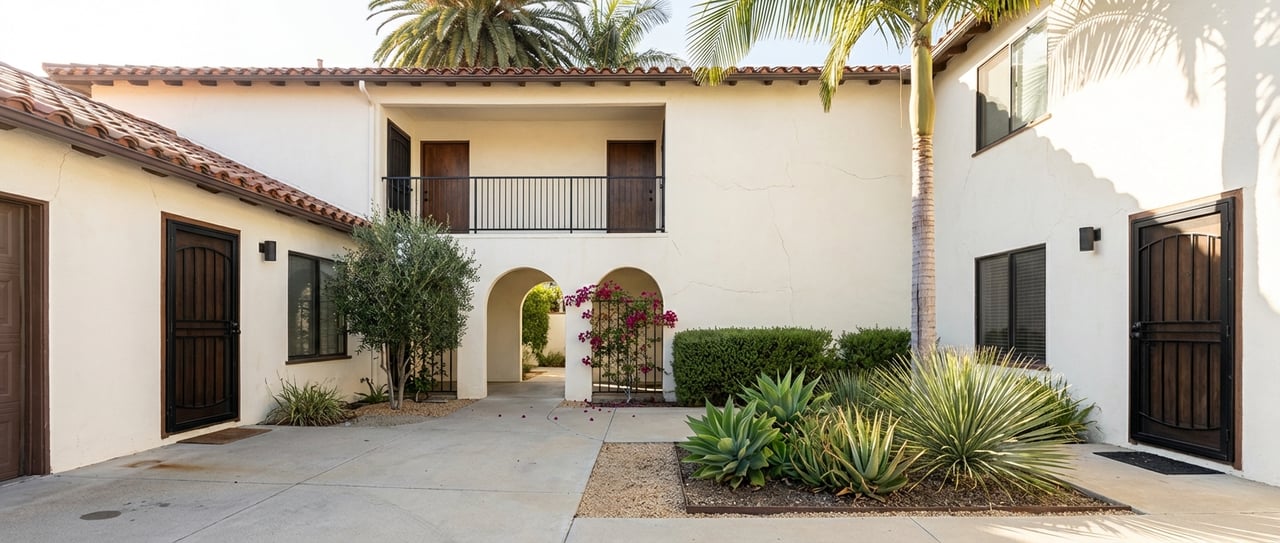
Moreno Valley is largely suburban, with most homes built from the 1980s through the 2000s. You will see single-family houses in planned tracts, plus apartment communities, condos, and manufactured-home neighborhoods. Density is generally low to medium, with pockets of higher-density apartments near major corridors and shopping areas.
Affordability snapshot
Compared with coastal counties like Los Angeles and Orange, Moreno Valley typically offers lower home prices and rents. That relative affordability draws many first-time buyers and renters. Like the broader Inland Empire, prices rose through the 2010s and early 2020s, then experienced slower appreciation and periods of cooling in 2023–2024. If you are exploring the market now, plan to review current data and active listings before you set a budget.
Areas to know
Moreno Valley is not one-size-fits-all. Your day-to-day experience can vary based on where you land.
- Northwest Moreno Valley: Older neighborhoods near the Riverside border with a closer commute to Riverside job centers.
- Central corridors: Frederick Street, Alessandro Boulevard, and SR-60 see more retail, apartment clusters, and commuter activity.
- Near March Air Reserve Base: Military-influenced housing and the Metrolink station area with industrial employers nearby.
- East and southeast tracts: Newer single-family subdivisions and some master-planned communities.
Commutes and getting around
Highways and drive times
Two freeways shape most commutes. SR-60 runs east to west through the city toward Riverside and on to Orange County and Los Angeles. I-215 runs north to south, linking Moreno Valley with Riverside and San Bernardino. Interchanges and the SR-60 and I-215 corridors carry heavy traffic during rush hour, so plan with buffer time.
Typical one-way drive times can look like this, depending on route and time of day:
- Downtown or central Riverside: about 20 to 35 minutes.
- San Bernardino: about 20 to 40 minutes.
- North Orange County: about 45 to 75 minutes.
- Central Los Angeles: often 60 to 120 minutes or more at peak.
If you want to track planned road work and interchange projects, check the Riverside County Transportation Commission and Caltrans for updates.
Transit options to know
Moreno Valley is a car-first city, but you do have transit choices.
- Riverside Transit Agency: Local and regional buses connect neighborhoods to key corridors and to Riverside. Commuter routes operate on set schedules, so check service before planning a transfer.
- Metrolink 91/Perris Valley Line: The Moreno Valley/March Field station provides train service toward Riverside with connections to LA Union Station via transfers. Service is commuter-focused with limited off-peak and weekend runs.
For routes and schedules, start here:
- Bus service and maps: Riverside Transit Agency
- Regional rail overview and tickets: Metrolink
Commute planning tips
A few simple habits can make a big difference:
- Compare departure windows. Leaving 20 minutes earlier can shorten a peak drive by much more.
- Use park-and-ride lots or carpools if they fit your schedule.
- Mix modes when it helps. An RTA bus to Metrolink can work for central LA trips on select days.
- Confirm your route the night before. Traffic patterns on SR-60 and I-215 vary by incident and time.
Community and quality of life
Civic life and events
Moreno Valley leans family-focused with an active calendar of city programs, youth sports, and community events. March Air Reserve Base adds a distinct local presence through annual happenings and its historical tie to the March Field Air Museum. Nonprofit and faith-based groups are part of everyday civic life. To see what is on the calendar, browse the City of Moreno Valley.
Safety and research tools
Like many older Inland Empire suburbs, Moreno Valley has areas with higher reported crime and others that are quieter. Safety varies by neighborhood. If it is a priority for you, review recent police reports and crime-mapping tools, and compare trends over time. A good place to start is the FBI’s Crime Data Explorer, then pair that with local information and a neighborhood visit.
Is Moreno Valley a fit for you
Choosing Moreno Valley is often about trade-offs you can live with. You get more home for your budget, family-friendly amenities, and strong access to Inland Empire job centers. In return, you plan for longer or less predictable commutes if your job is in Orange County or Los Angeles. If your work is local in logistics, healthcare, education, or at the base, your day-to-day may be much simpler.
If you want a clear, personal plan for neighborhoods, commute routes, and budget, connect with a local advisor who works the area every day. Reach out to Jose Lemus for a free consultation in English or Spanish. Jose will help you compare areas, estimate commute windows, and map a housing strategy that fits your next move.
FAQs
Are commute times to LA or Orange County realistic from Moreno Valley
- Yes, many residents make the trip, but it is often 45 to 75 minutes to north Orange County and 60 to 120 minutes or more to central Los Angeles during peak hours, so plan for flexible schedules or hybrid work if possible.
What public transit can I use in Moreno Valley
- Use Riverside Transit Agency buses for local and regional trips and the Metrolink 91/Perris Valley Line from the Moreno Valley/March Field station for commuter rail service toward Riverside and LA via transfers.
How affordable is housing compared with coastal counties
- Moreno Valley generally offers lower prices and rents than Los Angeles and Orange counties, with a mix of entry-level single-family homes, condos, apartments, and rentals across the city.
What should I know about local schools in Moreno Valley
- The Moreno Valley Unified School District serves most K–12 students with multiple comprehensive high schools and specialized programs; review individual schools and boundaries on the district site for the latest details.
Where can I find outdoor recreation near Moreno Valley
- Lake Perris State Recreation Area is a short drive for boating and camping, Box Springs Mountain Reserve offers hiking and views, and city parks provide fields, courts, and community programs year-round.