Thinking about adding an accessory dwelling unit to your Anaheim property? Whether you want a private space for family or steady rental income, an ADU can be a smart way to use your lot more efficiently. In this guide, you will learn what counts as an ADU in California, how Anaheim applies state rules, what to expect for permits and costs, and the steps to get started. You will also get a simple checklist to prepare for a productive consult. Let’s dive in.
ADU basics in Anaheim
An accessory dwelling unit is a secondary home on the same lot as your primary residence or within a multifamily property. In California, the most common ADU types include:
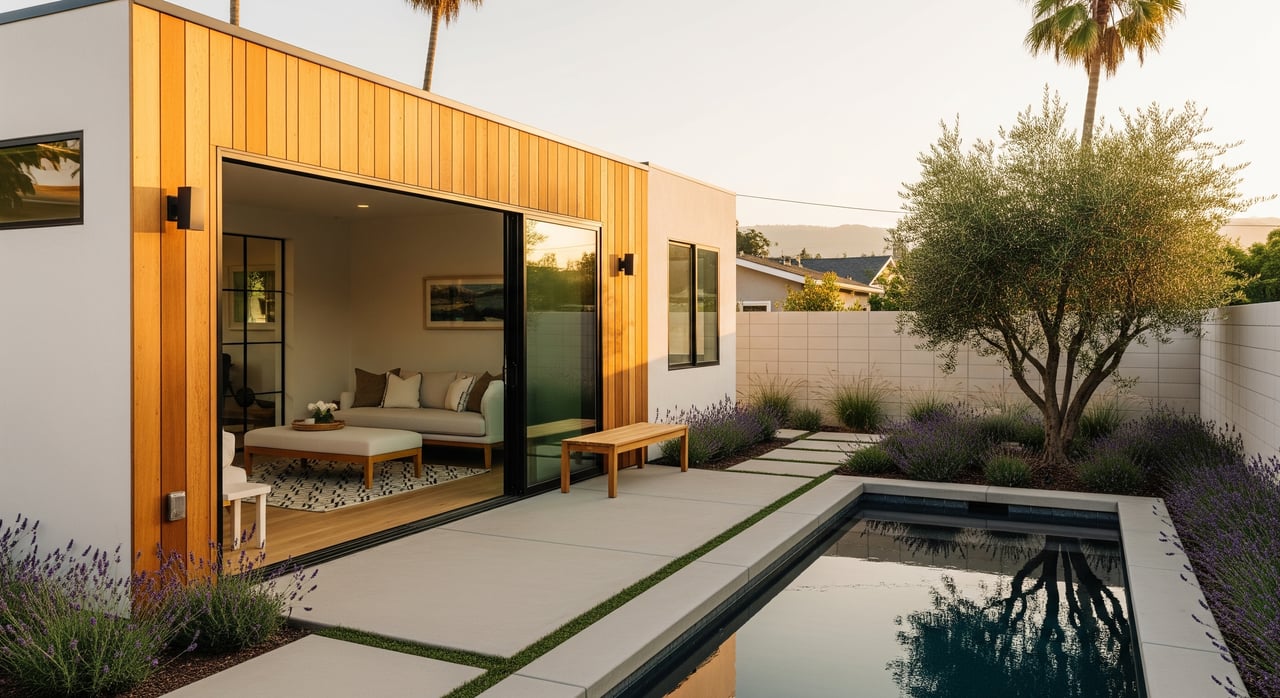
- Detached ADU: a standalone backyard unit.
- Attached ADU: connected to the main home or built within it.
- Garage conversion: repurposing an existing garage into a livable unit.
- Junior ADU (JADU): a smaller unit, typically 500 square feet or less, created within the existing home and subject to distinct rules.
You can use an ADU for multigenerational living, long-term rental, or guest space. Short-term rentals are subject to Anaheim’s transient occupancy regulations, so verify current rules before planning for vacation rentals.
Key California rules to know
California laws adopted in recent years opened the door for more ADUs statewide. Here are practical takeaways:
- Ministerial review: Most ADU applications are reviewed on an objective, non-discretionary basis. This streamlines approvals when you meet the standards.
- Local limits: Cities must follow state ADU laws but can apply objective design, safety, and fee standards. Anaheim’s checklists and submittal requirements still matter.
- Parking flexibility: In many cases, parking requirements can be reduced or waived, especially near transit, for conversions within an existing structure, or in certain districts. Confirm the current Anaheim policy for your address.
- Owner occupancy: State law has limited local owner-occupancy mandates for many ADUs. Always confirm whether any local requirement applies to your specific plan.
Benefits and trade-offs
Benefits
- Multigenerational living: Give a parent, adult child, or caregiver independence and privacy while staying close.
- Rental income: A long-term tenant can help offset your mortgage and operating costs. Many buyers value flexible living space or income potential.
- Long-term wealth: You are adding functional square footage and potential income, which can support wealth-building over time.
- Community benefit: ADUs add housing options in a tight Orange County market.
Trade-offs
- Upfront investment: Construction, design, utilities, and fees add up. Financing can be specialized.
- Property taxes: Under Proposition 13, the new construction value of the ADU is added to your assessment. Expect some increase in annual property taxes.
- Insurance and liability: You may need to adjust your homeowner’s policy and consider landlord coverage if renting.
- Tenant laws: Long-term rentals must follow state and federal landlord-tenant law and any local renter protections. Short-term rentals must follow Anaheim’s rules.
- Site impacts: Lot coverage, setbacks, privacy, and parking influence design choices.
Feasibility checklist
Before you design or bid your ADU, gather these items. They help you and the city evaluate feasibility quickly:
- Parcel number (APN), property address, and your zoning designation.
- Lot dimensions, building footprint, approximate setbacks, and site photos.
- Existing floor plans, garage layout, and locations of water, sewer, electrical, and gas.
- Any HOA rules, CC&Rs, easements, or covenants that could limit construction.
- Current mortgage info and any lender restrictions regarding ADUs.
- Photos of the house, yard, and street for planning review.
ADU types for typical lots
Most Anaheim homeowners explore one of four paths:
- Garage conversion: Often the fastest and least expensive if the structure is sound.
- Attached ADU: Adds space to your existing home while leveraging shared systems.
- Detached ADU: The most flexible layout and privacy, with design subject to height and setback limits.
- Junior ADU: A compact option within the existing residence, typically up to 500 square feet with unique requirements.
Zoning, setbacks, and parking
- Most residential lots can have at least one ADU under California law, with details shaped by Anaheim’s objective standards.
- Setbacks, height, and lot coverage limits apply. Some reduced setbacks may be allowed for ADUs, particularly conversions.
- Parking may be waived in certain situations, such as proximity to transit or when converting existing space. Verify this early with Anaheim Planning.
- Utility meters: Separate meters may be allowed or required. Check with Anaheim Public Utilities on meter and connection options to understand cost and billing impacts.
Permits and timeline
ADU approvals follow a clear, step-by-step path:
- Concept and early intake: Optional pre-application meeting with a city planner.
- Plans: Architectural and engineering drawings, plus mechanical, electrical, and plumbing details.
- Planning review: Confirm compliance with objective standards for a ministerial approval.
- Building permit: Final submittal and permit issuance.
- Construction: Inspections throughout the build.
- Final occupancy: Approval to use the unit.
Because state law streamlines ADUs, many conversions move faster than discretionary projects. Simple interior conversions may complete in a few months from permit to finish, while detached builds with site work take longer. Actual timing depends on the quality of your submittal, the complexity of the project, and the city’s workload.
Costs and financing
What drives cost
- Design and engineering: Plans, structural details, and energy compliance.
- Site work and structure: Foundations, framing, and building systems.
- Interiors and finishes: Kitchenettes, baths, flooring, and fixtures.
- Utilities: Water, sewer, electrical capacity, and potential panel or lateral upgrades.
- Fees: Permits and applicable impact or connection fees.
Get multiple local contractor bids. Small choices in layout and finishes can change the budget significantly.
Ways to fund it
- Cash savings: Simple and fast if available.
- HELOC or home equity loan: Common for owner-occupants with equity.
- Cash-out refinance: Can consolidate debt and fund construction.
- Construction or renovation loans: Short-term financing that converts to permanent financing when complete.
- Agency-backed programs: Some FHA and Fannie Mae or Freddie Mac options allow ADUs with specific underwriting rules. Speak with a knowledgeable lender about current guidelines.
- Incentives: Check for city, county, or nonprofit incentives. Availability changes over time.
Estimating ROI
- Start with local rent comps for studios and one-bedroom units in Anaheim to model income potential.
- Budget for operating costs: property tax increase from the new construction value, insurance, utilities, maintenance, and a vacancy reserve.
- If you plan to sell in the future, remember that ADUs can increase buyer appeal for flexible living and income potential. The exact price impact varies by market conditions.
Local resources and bilingual help
- Anaheim Planning and Building: Ask about ADU allowances, setbacks, parking, and required submittals.
- Building and Safety/Development Services: Confirm permit steps and inspections.
- Anaheim Public Utilities: Clarify meter options and any service upgrades.
- Sewer and wastewater agency: Confirm connection requirements when applicable.
- Local ADU-experienced designers, architects, engineers, and contractors.
- Lenders familiar with ADU financing in Orange County.
Anaheim serves a large Spanish-speaking community. Request Spanish-language materials and consider bilingual consultations with your planner, contractor, and lender. You can also bring a bilingual friend or interpreter to city appointments.
Prepare for a consult
Make your first meeting count by bringing:
- APN, legal description, and property address.
- Recent site photos, including the front, side yards, rear yard, and street.
- Any plat, survey, or assessor’s map with lot dimensions.
- Existing floor plans or hand sketches and the garage layout.
- HOA documents and any CC&Rs.
- Your lender contact if you plan to finance.
- Your priorities: family use or rental, desired size, budget range, and timing.
Next steps for homeowners
- Gather documents and site photos.
- Ask Anaheim Planning about current ADU standards, parking, setbacks, and fees.
- Meet an ADU designer or architect for a feasibility review and rough scope.
- Get 2 to 3 contractor bids and check references.
- Discuss financing options if you are not using cash.
- Confirm insurance implications and coverage needs.
- Submit for permits and track inspections during construction.
- If renting, prepare a compliant lease and learn applicable landlord-tenant rules.
Talk with a local advisor
If you want a clear plan for your lot, your budget, and your goals, connect with a broker who understands both the numbers and the process. For bilingual guidance and a step-by-step plan tailored to your property, reach out to Jose Lemus for a free consultation.
FAQs
What is the difference between an ADU and a JADU in Anaheim?
- A JADU is typically 500 square feet or less and created within the existing home with distinct rules, while a standard ADU can be attached, detached, or a garage conversion with broader size options.
Are short-term rentals allowed for ADUs in Anaheim?
- Short-term rentals are subject to Anaheim’s transient occupancy and related regulations, so verify current local rules before planning a vacation rental strategy.
How will an ADU affect my California property taxes?
- The new construction value of the ADU is added to your property’s assessed value under Proposition 13, which can increase annual taxes without fully reassessing the entire property to market value.
Do I need to provide parking for my ADU in Anaheim?
- In many cases parking can be reduced or waived, such as near transit or for certain conversions, but you should confirm the current parking policy for your address with Anaheim Planning.
How long does the ADU permit process take in Anaheim?
- Ministerial review often speeds up approvals, but timelines vary by project complexity, application completeness, and city workload; simple conversions can move in a few months while detached builds take longer.
What financing options are common for ADUs in Orange County?
- Owners often use HELOCs, cash-out refinances, construction or renovation loans, and some agency-backed mortgage programs that allow ADUs, depending on occupancy and underwriting rules.
Can my HOA block an ADU on my property?
- HOA CC&Rs can affect design and placement, so review your governing documents early and confirm what is allowed alongside state ADU protections and local standards.