Thinking about selling your Rialto home this spring? Timing your prep and launch can be the difference between a smooth sale and a stressful scramble. You want clear steps, realistic deadlines, and local requirements that will not slow you down. This guide gives you a week-by-week plan, key disclosures for California, typical escrow timing in San Bernardino County, and a practical checklist. Let’s dive in.
Why timing matters in Rialto
Spring is when buyer activity typically peaks across the Inland Empire, including Rialto. Inventory also rises, so pricing and presentation matter. If you prepare 6 to 10 weeks before your target list date, you give yourself time for repairs, staging, and strong marketing. A well-priced home in good condition often draws attention within the first 1 to 4 weeks.
Your 10-week plan to list this spring
Weeks 10–8: Strategy and pricing
- Meet with your broker to review neighborhood comps and set a pricing plan based on condition and location.
- Request a preliminary net sheet that estimates your proceeds after mortgage payoff, typical closing costs, and transfer taxes.
- Align on a target list date and marketing strategy.
Weeks 8–6: Inspections and documents
- Consider a pre-listing home inspection and a termite inspection to surface issues early. This can speed negotiations later.
- If your property is in an HOA, request the HOA resale package now. HOAs can take time to deliver documents.
- Pull permit history and check for any open code items with the city or county. Start with the City of Rialto building and permit information, then confirm records with your broker.
- Order a preliminary title report to identify liens or encumbrances early.
Weeks 6–4: Repairs and staging
- Complete safety and required items, such as working smoke and carbon monoxide detectors and water heater bracing, if applicable.
- Handle minor repairs that buyers notice, like leaky faucets, damaged screens, or loose handrails.
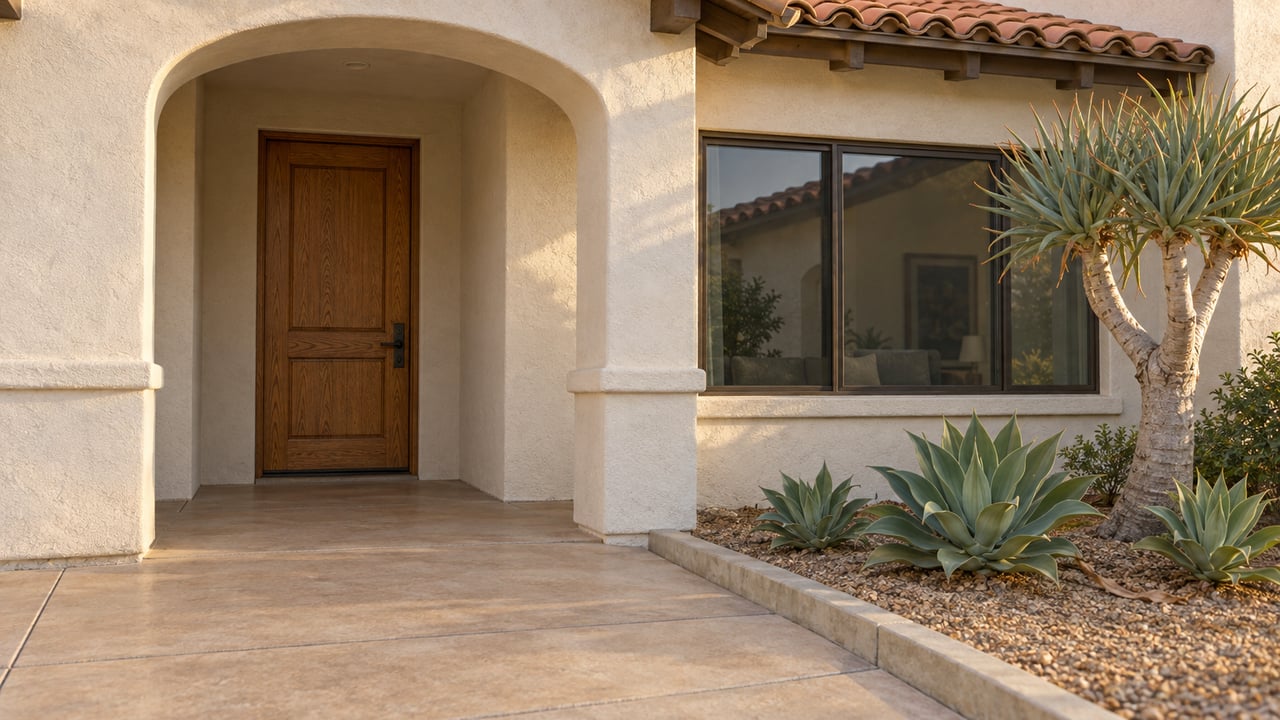
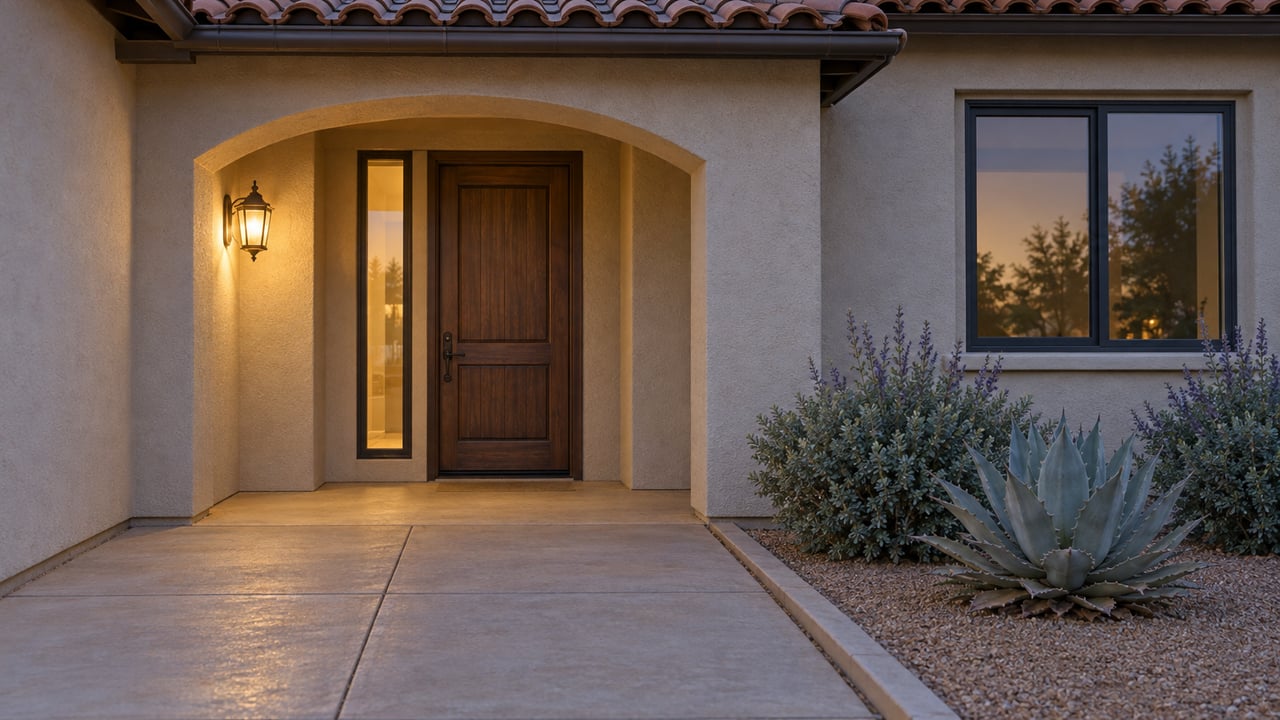
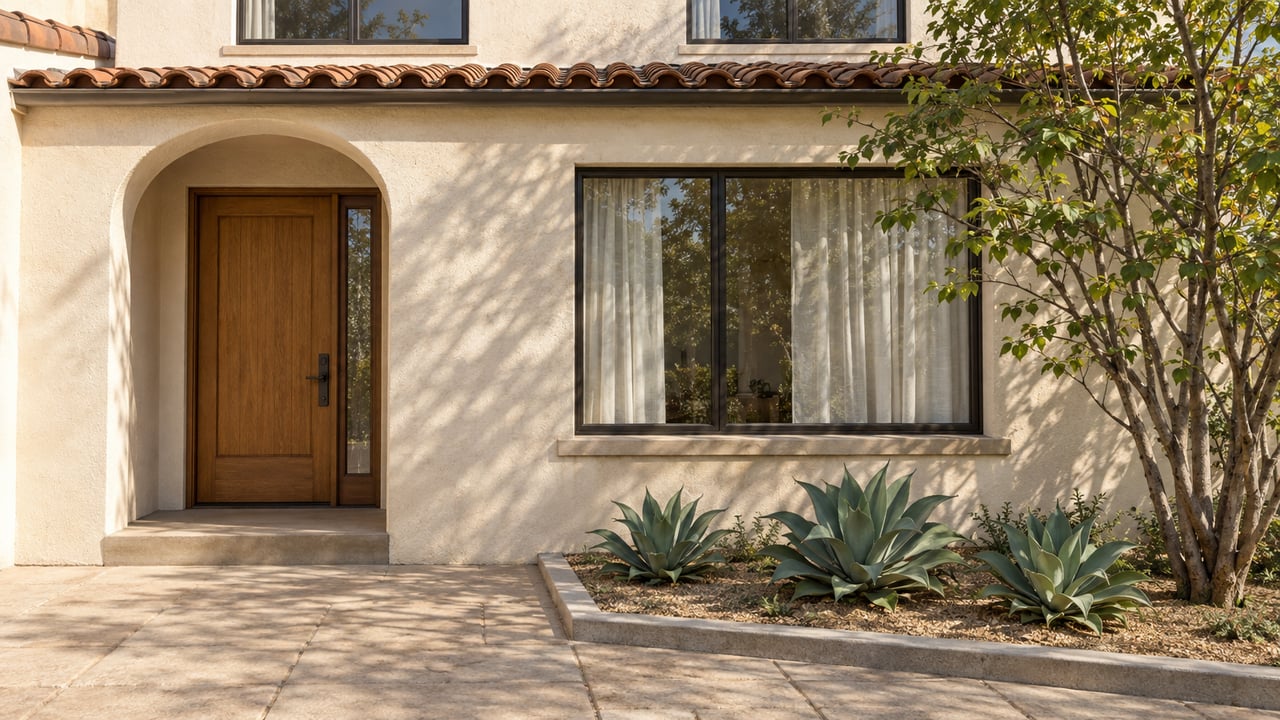
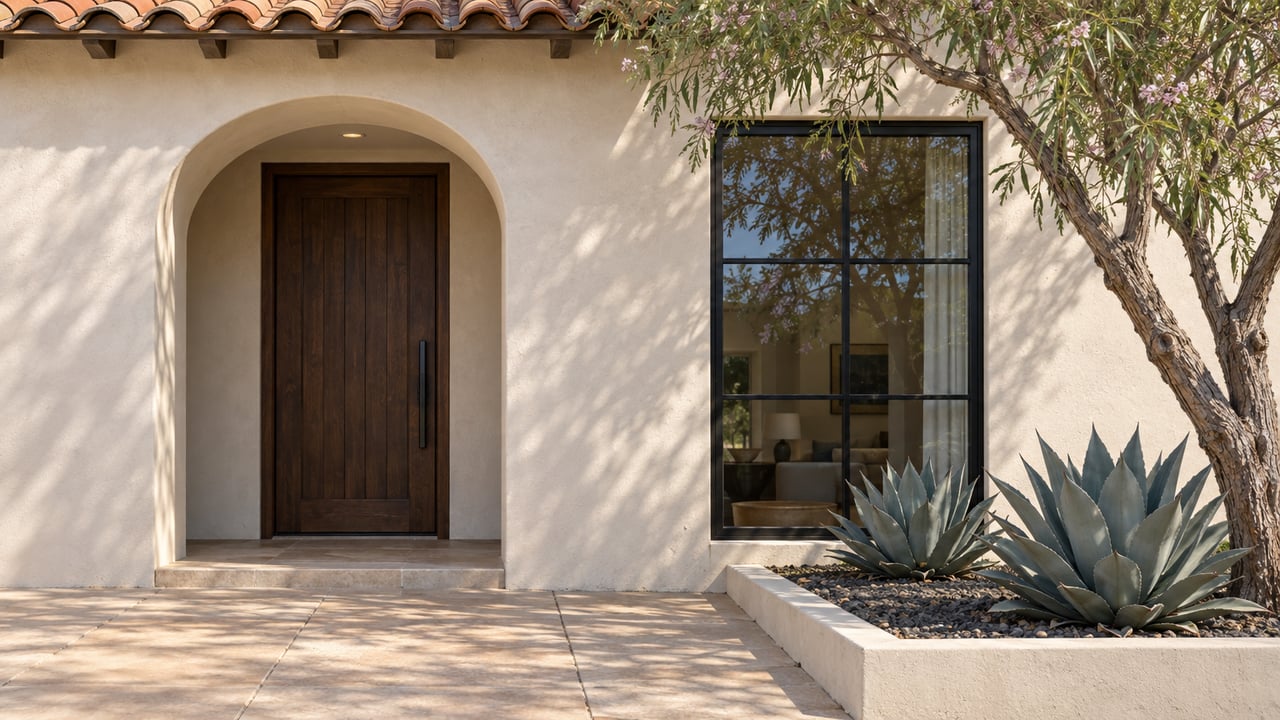
- Declutter, deep clean, and refresh with neutral paint where needed. Improve curb appeal with basic landscaping and a clean entry.
- If your price point and timeline support it, consider professional staging.
Weeks 4–2: Marketing build-out
- Schedule professional photos and a floor plan or virtual tour.
- Prepare your disclosures and order any recommended third-party reports, such as a Natural Hazard Disclosure.
- Finalize listing remarks, showing instructions, and open house plans.
Week 0: Go live and collect offers
- List on the MLS and launch your marketing across approved channels.
- Expect showings in the first one to two weeks if priced competitively. Open houses can add exposure if they fit your plan.
- Set an offer review window or evaluate offers as they arrive. Negotiate price, terms, and contingency timelines with your agent.
What to expect after you accept an offer
Most financed transactions in San Bernardino County close in about 30 to 45 days after acceptance. Here is the typical flow.
- Escrow opens and the buyer deposits earnest money within 1 to 3 days.
- You deliver required disclosures promptly.
- Inspection contingency often runs 7 to 17 days. The buyer may request repairs or credits.
- The appraisal is usually ordered soon after the buyer applies for the loan. Appraisal results can affect negotiations if value does not meet the contract price.
- Financing and appraisal contingencies commonly run 17 to 21 days and 7 to 14 days. Timelines are negotiable.
- The buyer’s final walkthrough usually happens 1 to 3 days before closing.
- Closing occurs when documents are signed and the deed records with the county. Escrow then releases funds.
Required disclosures in California
California has specific disclosure requirements. Your broker will guide you through current forms and deadlines.
- Transfer Disclosure Statement. Most sellers must complete a TDS describing the property’s condition. For forms and guidance, see the California Association of Realtors.
- Natural Hazard Disclosure. Sellers must disclose if the property lies in mapped hazard zones. Your broker typically orders a standard NHD report.
- Lead-based paint disclosure. For homes built before 1978, federal law requires disclosure and delivery of the EPA pamphlet. Review the EPA lead-based paint disclosure rules.
- Material facts. Disclose known conditions that may affect safety or value, such as prior water intrusion or roof leaks, to the best of your knowledge.
- HOA disclosures. If in an HOA, provide the HOA resale package and any rules and fees.
- Safety requirements. California law requires functioning smoke and carbon monoxide detectors, and water heater bracing where applicable.
- Title and liens. Known liens and judgments must be disclosed. Escrow and title will confirm as part of the process.
- Local procedures. Recording and title work are processed through the San Bernardino County Assessor-Recorder-Clerk. Check their site for current recording timelines and fees. You can also confirm permit status with the City of Rialto.
- For additional consumer resources, visit the California Department of Real Estate.
Seller costs to budget
Actual amounts vary by contract and vendor, but sellers commonly plan for:
- Real estate commissions, negotiated with your broker.
- Escrow and title fees, often shared by local custom.
- Transfer taxes and documentary fees at the city or county level.
- HOA resale and transfer fees if applicable.
- Repairs agreed to during negotiations or credits to the buyer.
- Pre-listing prep costs like staging, photography, landscaping, minor repairs, and cleaning.
- Termite treatment if reports show active infestation.
- Mortgage payoff and lien reconveyance fees.
Ask your broker for a preliminary net sheet to estimate your proceeds after these items.
Common delays and how to prevent them
- Low appraisal. Price with fresh comps and prepare a data-backed case for value. If a low appraisal occurs, you can renegotiate price, the buyer can bring funds, or you can request a second appraisal.
- Loan underwriting delays. Ask for strong pre-approval letters and confirm the buyer is working with an experienced lender.
- Slow HOA documents. Order the HOA package early to avoid pushing contingency deadlines.
- Title or lien issues. Order a preliminary title report early to surface encumbrances and start payoff requests.
- Unpermitted work or code items. Disclose what you know early. Resolve what you can to reduce closing risk.
Quick pre-listing checklist
- Schedule a broker consult and pricing strategy session.
- Order a preliminary title report and pull permit history.
- Complete a pre-listing home inspection and termite inspection.
- Request HOA resale documents if applicable.
- Verify smoke and CO detectors and water heater bracing.
- Make minor repairs and address safety items.
- Declutter, deep clean, and refresh paint or flooring as needed.
- Improve curb appeal, trim trees, and clean gutters.
- Hire a professional photographer and capture a floor plan or virtual tour.
- Prepare your disclosure packet with your broker.
- Confirm staging plan and schedule.
Sample spring calendar
- Weeks 10–8: Meet your broker, confirm pricing strategy, order HOA docs and preliminary title, schedule inspections.
- Weeks 8–6: Complete inspections, start repairs, confirm staging plan.
- Weeks 6–4: Finish repairs and cleaning, finalize staging, schedule photography and floor plan.
- Weeks 4–2: Prepare disclosures and NHD, finalize listing copy and marketing assets.
- Week 0: List on MLS, launch showings and open houses.
- Weeks 0–2: Review offers and negotiate terms.
- Weeks 1–4 after acceptance: Escrow, inspections, appraisal, contingency removal, then closing around day 30 to 45 depending on the contract.
Work with a local advisor
You deserve a clear path and steady communication from list date to recording. With more than 20 years of Inland Empire experience, Salem Realty Group blends broker-level guidance with modern marketing, MLS syndication, and bilingual support. If you want a tailored plan, a realistic timeline, and hands-on help coordinating vendors, disclosures, and escrow, let’s talk.
Ready to map your timeline and net proceeds? Connect with Jose Lemus for a free consultation.
FAQs
When should I start prepping to sell in Rialto?
- Begin 6 to 10 weeks before your target spring list date to complete repairs, staging, disclosures, and marketing.
How long does closing take after I accept an offer in San Bernardino County?
- Most financed purchases close in about 30 to 45 days, depending on appraisal, loan approval, and contingency timelines.
Which disclosures are required for California home sellers?
- Expect a Transfer Disclosure Statement, a Natural Hazard Disclosure, lead-based paint disclosure for pre-1978 homes, and disclosure of known material facts, with HOA documents when applicable.
Do I need a pre-listing inspection for a Rialto sale?
- It is optional but helpful for older homes or if you want fewer surprises; it can speed negotiations and reduce repair disputes.
Who typically pays what at closing in Rialto?
- Sellers usually cover commissions, transfer taxes, some escrow/title fees, agreed repairs, and HOA fees; ask your broker for a net sheet tailored to your deal.
What if the appraisal comes in low on my Rialto home?
- Options include renegotiating price, the buyer bringing extra funds, requesting a second appraisal, or cancelling per the contract’s terms and timelines.
Do I need to move out before closing?
- Possession is negotiated in the contract; sellers usually sign early and deliver keys at recording unless a rent-back or other agreement is in place.