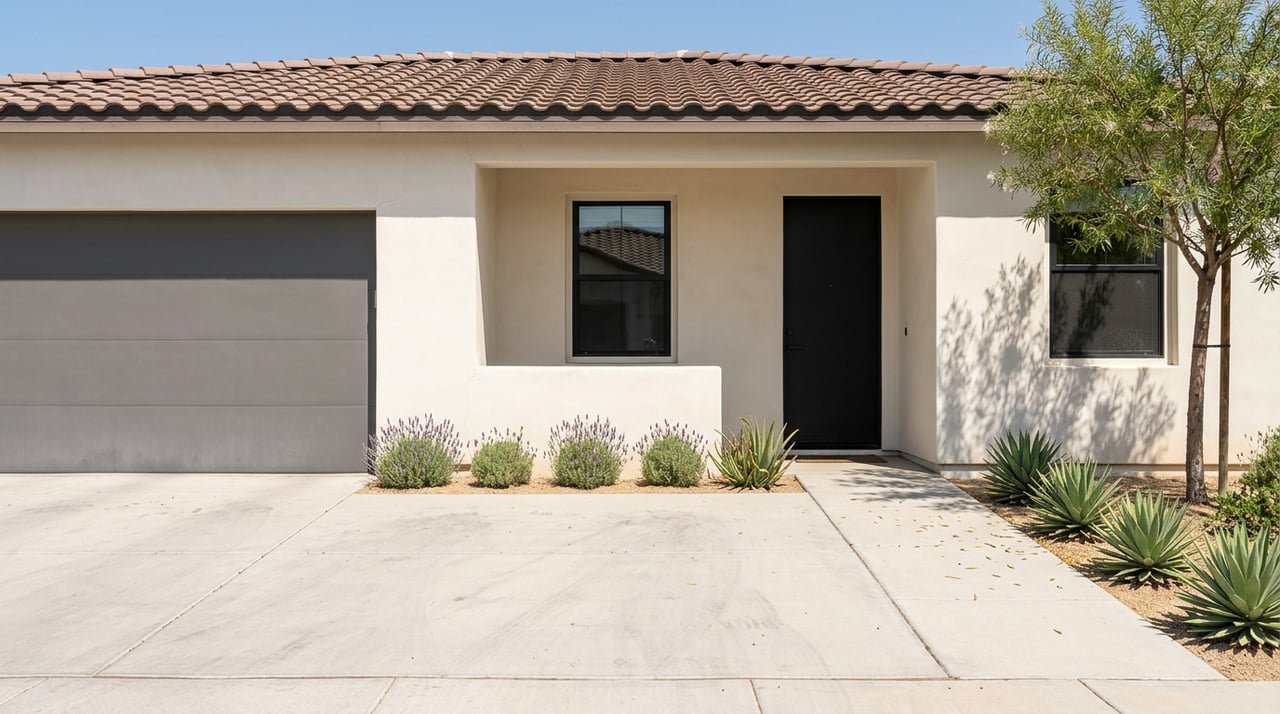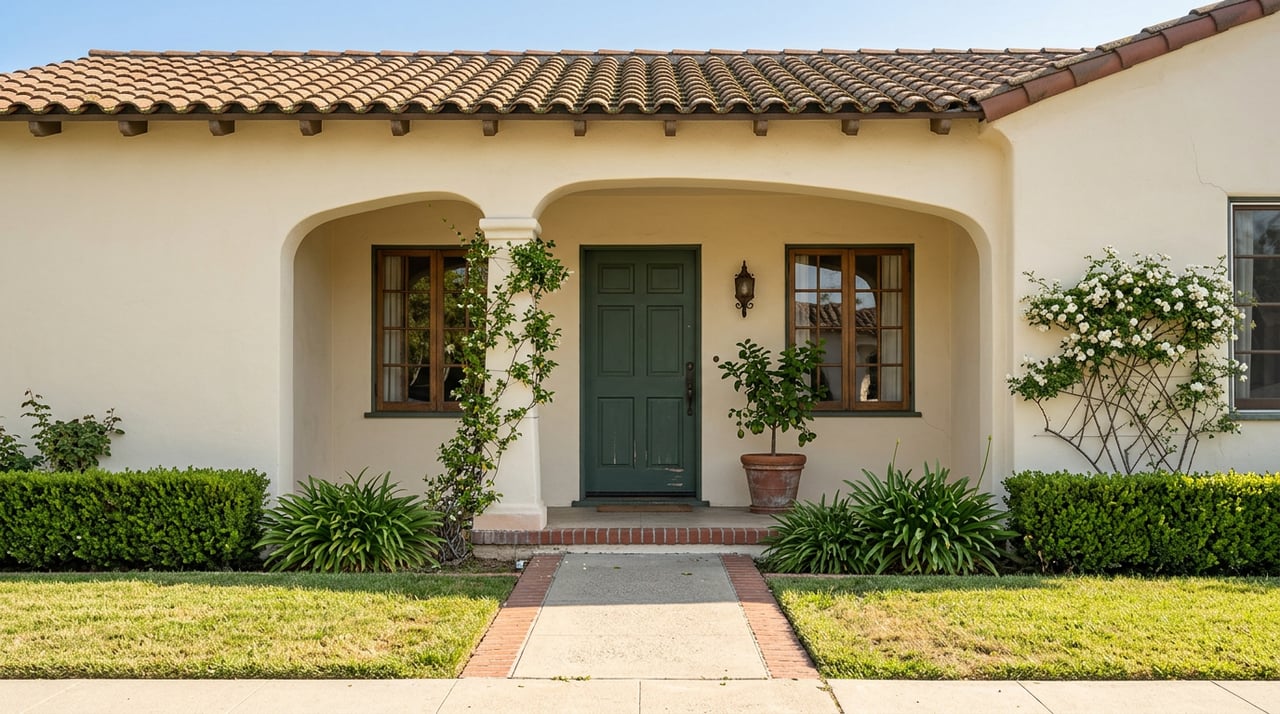
Last August, envelopes bearing City of Orange letterhead landed in mailboxes across Old Towne's craftsman and Spanish Revival blocks. They went to owners of the district's Mills Act properties, the historic homes whose owners get a property tax break in exchange for maintaining and restoring them under a recorded city contract. The letters caused enough alarm that the Old Towne Preservation Association and the Orange Legacy Alliance sat down with the city's Community Development Department and, eventually, the City Manager. Staff acknowledged the letter should never have gone out as written. A second, more targeted letter is now going only to contract holders the city considers out of compliance.
If you are buying or selling a historic home in Old Towne right now, that episode is not background noise. It is the clearest evidence you will find that a Mills Act contract is an active, monitored obligation, not a line item that quietly rides along with the deed. And it points to the thing most buyers get backward: the tax savings on a Mills Act listing is the seller's number, not a promise about yours.
What actually transfers at closing
A Mills Act contract is recorded against the property, and California's Office of Historic Preservation is direct about what that means for a buyer: the contract stays with the property when it sells, and the new owner is bound by the same rights and obligations as the person who originally signed it. You do not get to renegotiate the deal because you are new. You inherit it whole.
In Orange specifically, that inheritance includes two ongoing duties beyond the general upkeep of the home. The city requires Mills Act owners to file an annual report on repairs and maintenance completed in the prior year, and to update the ten-year Rehabilitation Plan, the contract's Exhibit D, once a decade. If the seller has fallen behind on either, you are the one who shows up on the city's radar next.
That is exactly what the August 2025 letters were about. The city was pushing on compliance across the more than 200 Mills Act properties it has approved to date, and the response from association members made clear that a fair number of owners were unclear on what the contract still asked of them years after signing it. Ask any Old Towne seller how current their annual reports are before you write an offer. It is a five-minute question that can save you a very unpleasant year one.
Why the tax bill on the flyer isn't the tax bill you'll get
Here is the part that catches buyers off guard. Mills Act valuation is not based on comparable sales the way a normal California assessment is. The county assessor is required to value the property using an income capitalization approach, essentially treating the home as if it earned rent, rather than the standard market approach used for most residential sales. The City of Orange says outright that it does not set this value. The Orange County Assessor's Special Properties Division calculates it, using a formula written into state Mills Act legislation, and the office notes that different owners on the same contract type can land on very different tax outcomes depending on how long they've owned the property and what its existing assessed value already was.
That means the tax bill a listing agent quotes you is a snapshot of someone else's math, built on their purchase price, their years of ownership, and their prior assessed value. Buy the same house at today's market price and the assessor recalculates from scratch. You could see meaningful savings. You could see very little, especially if the seller had owned the home for decades and already carried a low Proposition 13 baseline before Mills Act ever entered the picture.
What actually drives the number you'll pay:
- The property's assessed value at the time your ownership begins
- Comparable rental income the assessor imputes to the home, since the formula treats it like an income property
- The capitalization rate set by the state formula for that assessment year
- Whether your purchase price resets the baseline higher or lower than what the seller was working from
None of this is knowable from a listing sheet. It is knowable from a phone call to the Assessor's Special Properties Division before you remove contingencies.
What transfers automatically versus what resets
| Transfers to the buyer, unchanged | Resets or is unknown until after closing |
|---|---|
| The recorded Mills Act contract itself | Your actual assessed value under the contract |
| Any unfinished items on the 10-year Rehabilitation Plan | Your annual property tax bill |
| The annual reporting requirement | Whether the city considers you in compliance on day one |
| Design restrictions, including the district-wide ban on vinyl window replacement | How much rehab work still needs to happen on your timeline, not the seller's |
That asymmetry is the whole story. The restrictions are guaranteed. The payoff is not.
The program is currently closed to new applicants
If your plan is to buy a contributing historic home in Old Towne that is not yet under a Mills Act contract, and add the tax benefit yourself after closing, that path is not available right now. The City of Orange's own program page states plainly that it is not accepting new Mills Act applications while the program is under review, and as of the preservation association's January 2026 update to its members, the city had still not announced a date for resuming intake. Applications, when the program is running, are typically processed twice a year. Right now there is no cycle to apply into.
This matters for how you price a purchase. A non-Mills-Act historic home in the district cannot be underwritten with an assumed future tax reduction, because there is currently no mechanism to obtain one. Only homes already carrying a recorded contract come with the benefit, and as covered above, even that benefit is not a fixed number you can simply copy from the seller's tax bill.
What the rehabilitation standards actually restrict
Beyond the paperwork, Mills Act contracts in Orange bind the property to the Secretary of the Interior's Standards and the district's own design guidelines. One detail worth budgeting around before you buy: vinyl windows are prohibited throughout the Historic District, full stop, regardless of whether a given home is under an active Mills Act contract. The city's reasoning is durability as much as aesthetics, arguing that old-growth original windows, properly repaired, outlast modern replacements. For a buyer who assumed a quick vinyl swap on tired original sashes, that is a rehab budget line that just got longer and more specialized.
A short due diligence list before you remove contingencies
- Request the recorded Mills Act contract and its current Exhibit D rehabilitation plan directly from the seller or title company, not just a summary
- Confirm the seller's annual reports are current, especially given the city's recent compliance push
- Call the Orange County Assessor's Special Properties Division and ask how your specific purchase price would be treated under the state formula, rather than assuming the seller's tax bill carries forward
- If the home is not yet under contract, do not price in a future Mills Act reduction, since the city is not currently accepting new applications
- Get a materials-compliant contractor's estimate for any window or exterior work, since standard vinyl replacements are not permitted anywhere in the district
What this means if you are selling
The disclosure obligation runs the other direction too. If your home carries a Mills Act contract, prospective buyers need to know before they write an offer, not after. That includes any outstanding items on your rehabilitation plan and where you stand on annual reporting. Given the scrutiny the city has applied since last August, a seller who can hand a buyer clean, current paperwork is offering something real: proof that the next owner isn't inheriting a compliance problem along with the tax benefit.
FAQ
Can I apply for a Mills Act contract after I close on a historic home in Old Towne right now? Not at the moment. The City of Orange's program page states it is not accepting new applications while the program is under review, and the preservation association's most recent member update in January 2026 had no resumption date to report.
Does the seller's current tax bill tell me what I'll pay after I buy? No. The county assessor recalculates value under the state's income capitalization formula based on your purchase price and assessed value going forward, not the seller's history. Ask the Assessor's Special Properties Division directly before you finalize an offer.
If the previous owner didn't finish the required restoration work, is that my problem now? Yes. The contract runs with the property, and the buyer is bound by the same obligations as the original signer, including whatever remains on the ten-year rehabilitation plan.
Old Towne's Mills Act homes are some of the most distinctive properties in the Orange County market, and the tax incentive is real when it applies cleanly. But it rewards buyers who read the contract before they read the flyer. If you are weighing a purchase or a sale in Old Towne Orange and want a second set of eyes on what a specific contract actually obligates you to, Jose Lemus at Salem Realty Group will walk through the paperwork with you before you write the offer. Talk with Jose and request a free consultation.