Thinking about selling an Anaheim home with an ADU? That extra unit can absolutely make your property more appealing, but it can also raise questions fast. Buyers want to know if it is legal, how it can be used, and whether any rental income or added living space will hold up during financing and inspections. This guide will help you understand what matters most so you can prepare your sale with confidence. Let’s dive in.
Why the ADU details matter
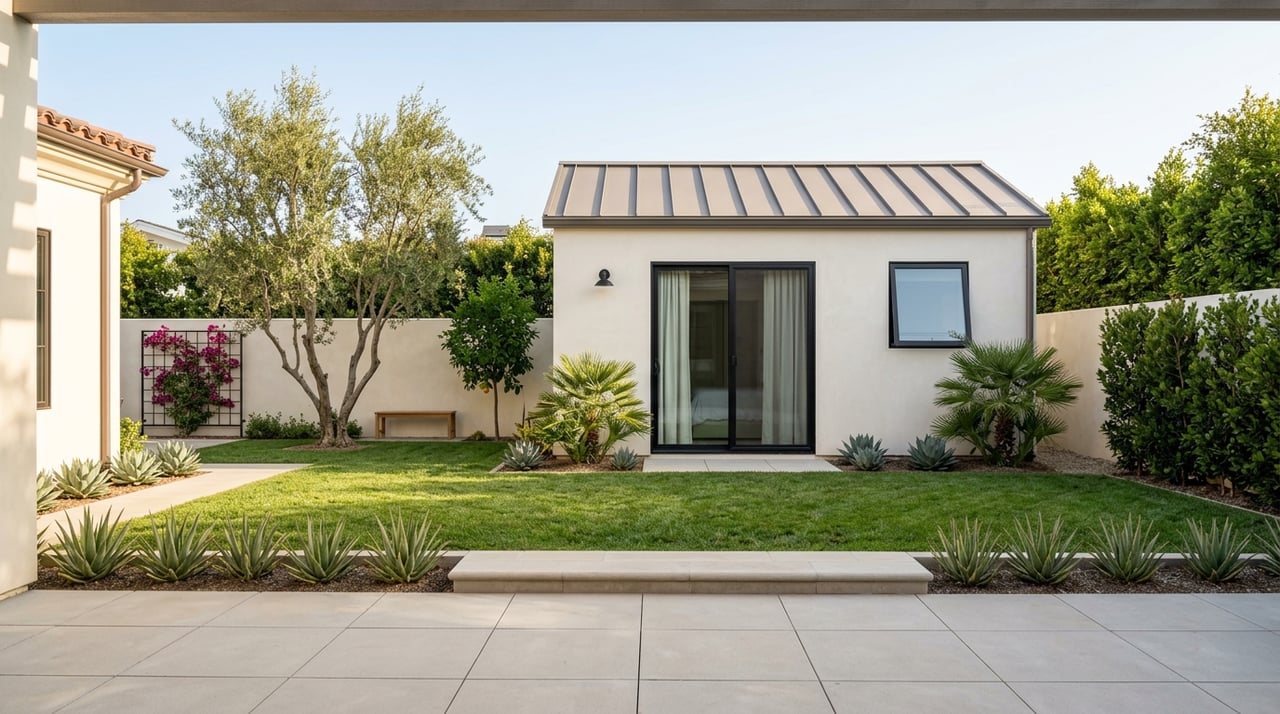
In Anaheim, an accessory dwelling unit, or ADU, is an attached or detached independent dwelling on the same lot as a primary residence. A junior accessory dwelling unit, or JADU, is different because it is created within a single-family home and comes with its own owner-occupancy and deed-restriction rules, according to the City of Anaheim’s ADU information page.
That distinction matters when you sell. The biggest point to understand is that the ADU is part of the same parcel as the main home. Under Anaheim’s ADU ordinance, an ADU may be rented separately, but it generally may not be sold or conveyed separately from the primary dwelling.
Can an Anaheim ADU be sold separately?
For most Anaheim homeowners, the answer is no. The city code says the ADU cannot be sold apart from the main house, and California Housing and Community Development explains that separate conveyance is only possible in limited situations, such as a local condominium ordinance or a narrow nonprofit exception outlined in the state’s ADU handbook.
If your property has a JADU, the same basic rule applies. Anaheim’s ordinance states that a JADU may not be sold or owned separately, and the owner-occupancy rules are tied to the owner living in one of the dwellings. That means your marketing should present the property as one sale with added flexibility, not as two separately transferable homes.
What buyers usually want to know
When buyers see a home with an ADU, they often focus on a few practical questions right away. If you can answer them clearly, your listing will feel more credible and easier to evaluate.
Legal status
Buyers want to know whether the ADU was properly permitted and finalized. In Anaheim, a Certificate of Occupancy confirms that the building was inspected for compliance with building standards and local ordinances, and a new certificate is issued after work passes final building inspection.
Rental potential
An ADU can be attractive because it may offer long-term rental income or extra living space for extended household use. California HCD describes ADUs as a way to support additional living space and potential homeowner income in its ADU handbook.
Financing impact
Buyers also wonder whether a lender will recognize the ADU. Fannie Mae says a one-unit property with an ADU is still treated as a one-unit property for underwriting, and appraisers should report the ADU separately instead of rolling it into the main home’s finished square footage under its property eligibility guidance.
Parking setup
Parking can come up quickly, especially if the ADU involved a garage conversion. Anaheim’s ordinance states that when a garage, carport, or covered parking structure is demolished or converted for an ADU or JADU, no replacement parking is required in those situations. Even so, the actual parking arrangement should be explained clearly to buyers.
How to position your ADU when selling
The strongest way to market an Anaheim home with an ADU is to lead with facts, not assumptions. Buyers and lenders tend to respond best when the property story is easy to follow.
Start with the legal status of the unit. Then show the features that make it functional as living space, such as a separate entrance, kitchen or kitchenette setup, bathroom, utility details, and documented occupancy history if available.
If your ADU is fully permitted, that should be one of the first things buyers see. If your records include permit cards, final sign-offs, or a Certificate of Occupancy, those documents can help support value and reduce uncertainty.
Documents that can strengthen your listing
A well-prepared listing package can make a big difference. Based on Anaheim building records guidance and common buyer due diligence, it is smart to gather:
- Permit cards
- Final inspection sign-offs
- Certificate of Occupancy or occupancy records
- Floor plan or layout details if available
- Current lease documents if the unit is rented
- Records of rental payments if relevant
- Any city correspondence related to legalization or enforcement
The goal is simple. You want buyers to understand what exists, how it was approved, and how it is currently used.
Be careful with rental income claims
Rental income can be a selling point, but it needs to be presented carefully. Fannie Mae allows rental income from an existing ADU on a one-unit principal residence to be considered in some cases, but only when the income is likely to continue and the borrower can meet the documentation requirements in its rental income guidelines.
That means sellers should avoid overstating what a buyer will be able to count. If your ADU is tenant-occupied, the most credible approach is to provide a current lease and supporting records rather than broad projections.
Short-term rental assumptions also deserve caution. California HCD says local agencies may require terms longer than 30 days, and Anaheim’s code specifically requires JADU rentals to be for at least 30 consecutive days under the city’s ADU ordinance.
Disclosure matters more than ever
When you sell a home with an ADU, disclosure is a major part of protecting the transaction. Under California Civil Code Section 2079, a broker must conduct a reasonably competent and diligent visual inspection and disclose material facts affecting value or desirability, as stated in the California Legislative Information code section.
California’s Real Estate Transfer Disclosure Statement also asks about room additions or structural modifications made without permits, alterations that do not comply with building codes, and zoning violations. If any part of the ADU or related work was done without permits or does not meet code, that should be disclosed.
The state’s Seller Property Questionnaire reinforces the same idea. Clear, accurate disclosure helps buyers assess the property realistically and can lower the chances of conflict later in escrow.
What if the ADU was built without permits?
An unpermitted ADU does not always mean a sale is impossible, but it does mean you need a plan. California HCD notes in its ADU handbook that local agencies may not deny a permit for certain ADUs or JADUs built before January 1, 2020, simply because they were previously unpermitted.
Anaheim also has a process related to delay of enforcement for certain older units. If your ADU falls into that category, gathering city correspondence and understanding your current status before listing can help you make better decisions about pricing, disclosures, and buyer expectations.
Tenant-occupied ADUs need extra planning
If your ADU is occupied by a tenant when you sell, your paperwork becomes even more important. Buyers may ask for the lease, deposit records, payment history, and details about how utilities are handled.
You should also be ready to follow the rules for transferring tenant deposits. The research notes indicate that when a rental unit is sold, the selling landlord must transfer or return the security deposit and notify tenants in writing, so it is wise to organize that information early.
A smart selling strategy for Anaheim homeowners
If you are preparing to sell an Anaheim home with an ADU, focus on the issues that matter most to buyers, appraisers, and lenders. In most cases, that means:
- Confirming whether the unit is an ADU or JADU
- Verifying permit and final inspection records
- Locating any Certificate of Occupancy documents
- Explaining the current parking arrangement
- Providing lease and rent records if tenant-occupied
- Making conservative, documented statements about income
- Disclosing any unpermitted work or code concerns clearly
The bottom line is this: the value of an ADU at resale often depends less on the extra structure itself and more on how legal, documented, and understandable it is. When your paperwork is clean and your marketing is accurate, buyers can move forward with a lot more confidence.
If you are getting ready to sell and want a broker-level strategy for pricing, documentation, and marketing, connect with Jose Lemus. Jose will help you position your property clearly, protect your disclosures, and create a plan that supports a smoother sale.
FAQs
Can you sell an Anaheim home with an ADU as two separate properties?
- No. Anaheim’s code generally does not allow an ADU or JADU to be sold separately from the main home.
Can buyers use Anaheim ADU rent to help qualify for a loan?
- Sometimes. Fannie Mae allows ADU rental income in certain cases, but the income must be documented and likely to continue.
Does an Anaheim ADU need permits before you sell?
- If the ADU was built with permits, that documentation can strengthen your sale. If work was unpermitted, it should be disclosed and may need further review.
Does a garage conversion ADU in Anaheim require replacement parking?
- Not necessarily. Anaheim says no replacement parking is required when a garage, carport, or covered parking structure is demolished or converted for an ADU or JADU in qualifying situations.
Can a JADU in Anaheim be used as a short-term rental?
- Anaheim’s rules require a JADU rental term of at least 30 consecutive days, so short-term rental assumptions should be handled carefully.
What documents help most when selling an Anaheim home with an ADU?
- Permit records, final inspection sign-offs, Certificate of Occupancy records, lease documents, and any city correspondence related to the unit can all help buyers understand the property more clearly.